High-risk environments******
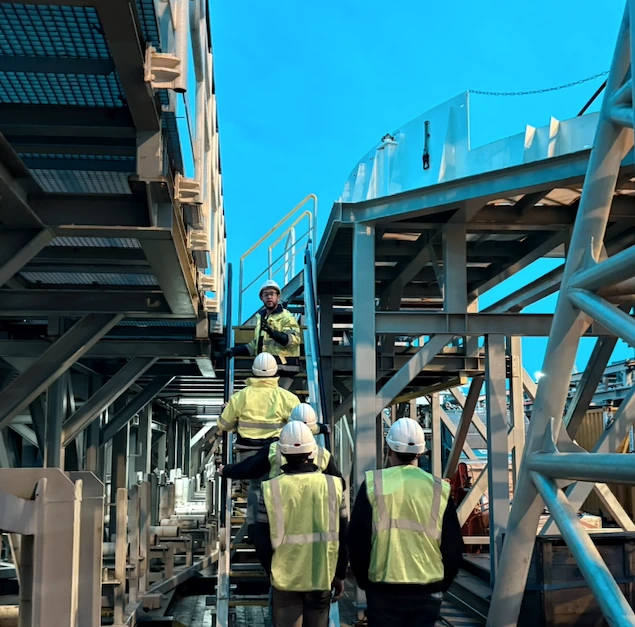
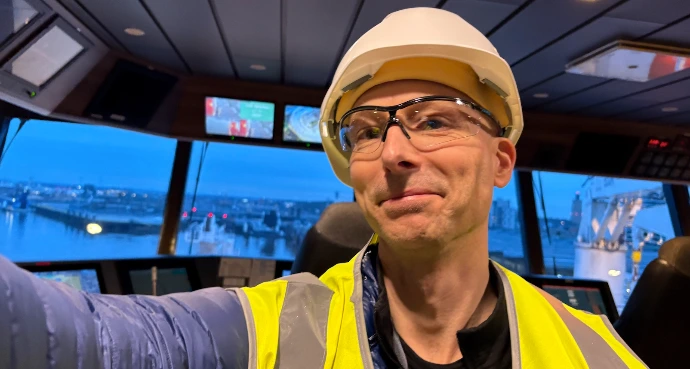
Some communication projects require more than good texts and a sharp strategy. They require an advisor who knows the rules, understands the risks, and is even allowed on the dangerous site. Hans has all the legally required safety certificates. Think of VCA VOL, STCW, and a comprehensive first aid certificate from the Red Cross. Certified and ready for industrial and offshore environments.
Why safety certificates for communication advisors?
Professionally, in industrial or offshore environments, certificates determine who has access to a site. This applies not only to technicians and operators — it applies to everyone who enters the workplace. This includes a communication advisor who conducts interviews, produces content, or develops a communication strategy on site.
No required safety diplomas, no access. And that is quite normal in companies in the petrochemical industry, the energy sector, the port... In the offshore wind energy sector, at sea...
A certified communication advisor also understands the language and logic of safety thinking. They know the difference between a toolbox meeting and a safety plan. They understand what a work permit means and how to communicate in an environment with strict procedures. This makes the advice more concrete and the end result more powerful.
A communication advisor who cannot be on the shop floor misses the essence of the story. I prefer to gather my information at the place where it happens.
Strategy
A clear communication strategy is a prerequisite for effective safety communication. What is the goal? How does safety communication happen today? Do the leaders take their responsibility sufficiently? Time for an audit and a plan for your business!
Listening
I believe that every business is unique. I notice that every business needs its own typical communication messages around safety, its own channels, timing, tone-of-voice... No hollow words, no management jargon, no secrets. And don't forget: always listen openly to your people.
Culture
70% of employees go to work without enthusiasm. That is dramatic. But did you know that you can improve this figure through an open, safe, and positive company culture? Safety communication is an essential part of an inspiring company culture.
Communicating about safety requires credibility. You build that by knowing the environment, respecting the rules, and understanding what is really at stake.
Looking for communication advice in high-risk environments?
3 certificates for high-risk environments
Below you will find an overview of the three safety certificates that Hans possesses.
Check what they entail and why they are relevant for communication projects in high-risk environments.

VCA VOL — Safety for Operational Managers
VCA stands for Safety, Health and Environment Checklist Contractors. It is the most well-known, internationally recognised certification system that demonstrates that someone masters the fundamentals of safe working.
The VOL variant stands for: Safety for Operational Managers. It is the highest diploma in the VCA system and focuses on those who bear responsibility for others.
Hazard, risk analysis and risk management
Safety behaviour and communication
Safe corporate culture
STCW Basic Safety Training
A-VI/1-1, 1-2, 1-3, 1-4
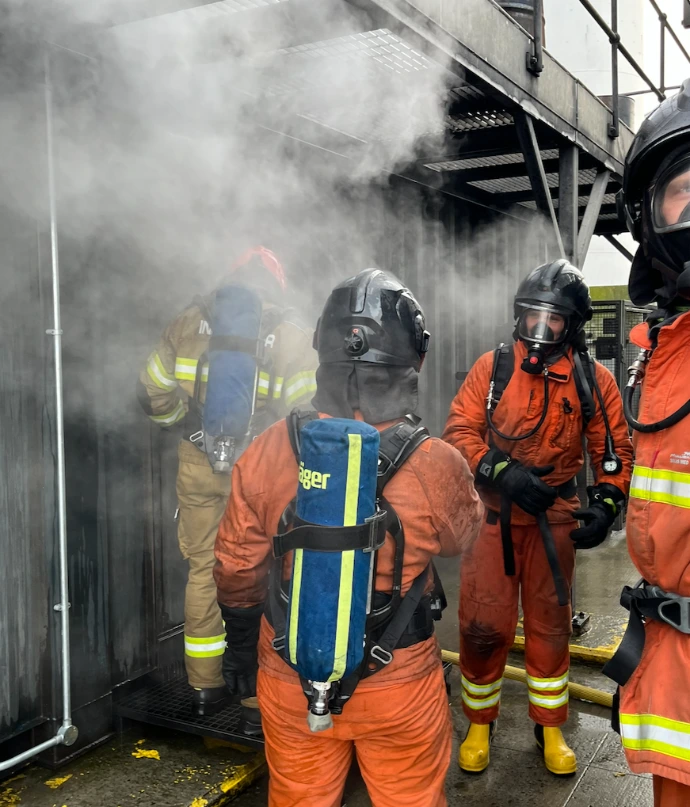
The STCW Basic Safety Training is the international maritime standard for safety on board seagoing ships and offshore installations. The certificate is issued by the Belgian federal government and is globally recognised through the IMO convention (International Maritime Organization).
Anyone wishing to work on an offshore platform, a drilling installation or on a vessel must possess this certificate. Without STCW, you cannot board the gangway.
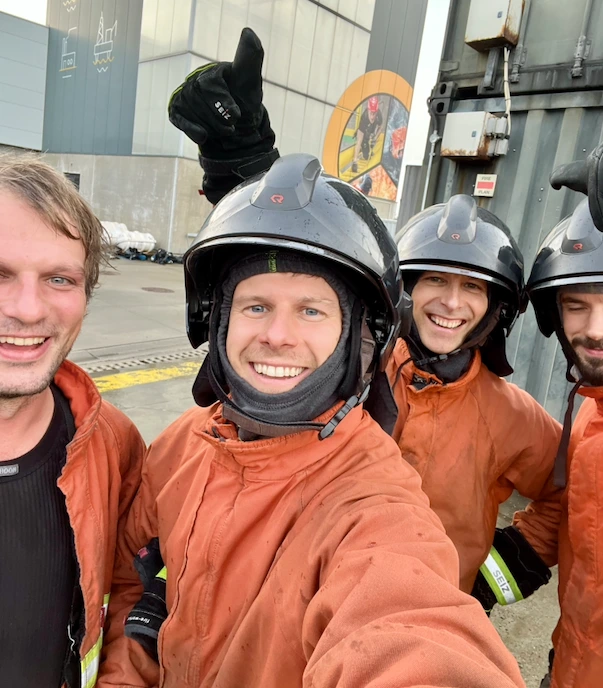
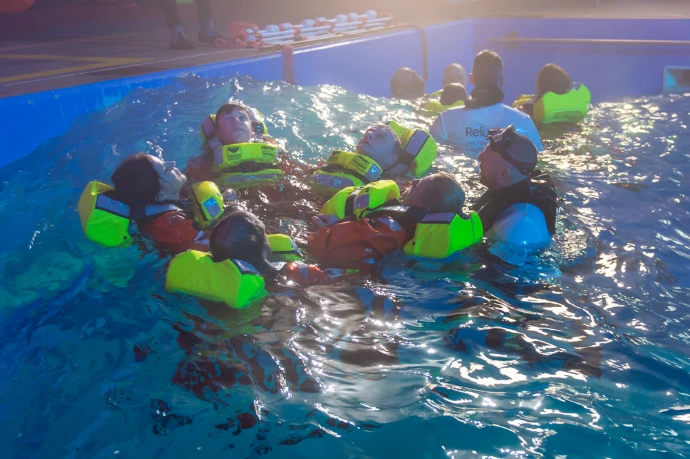
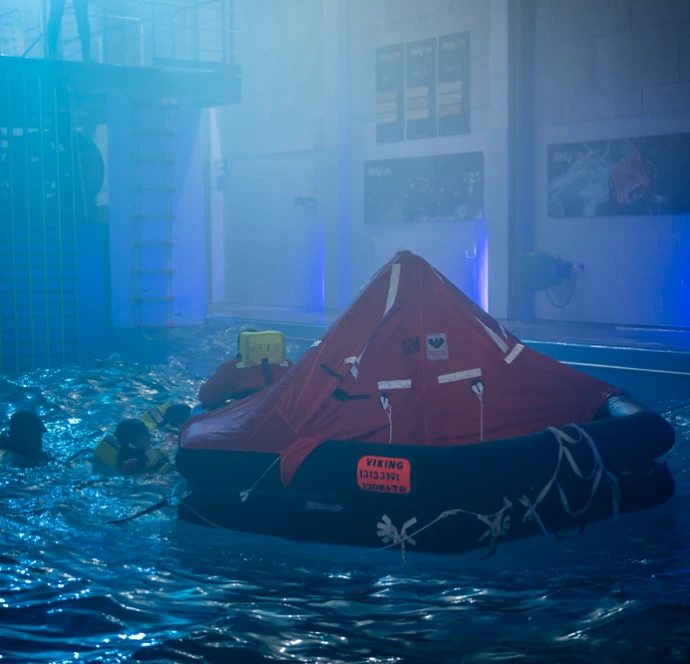
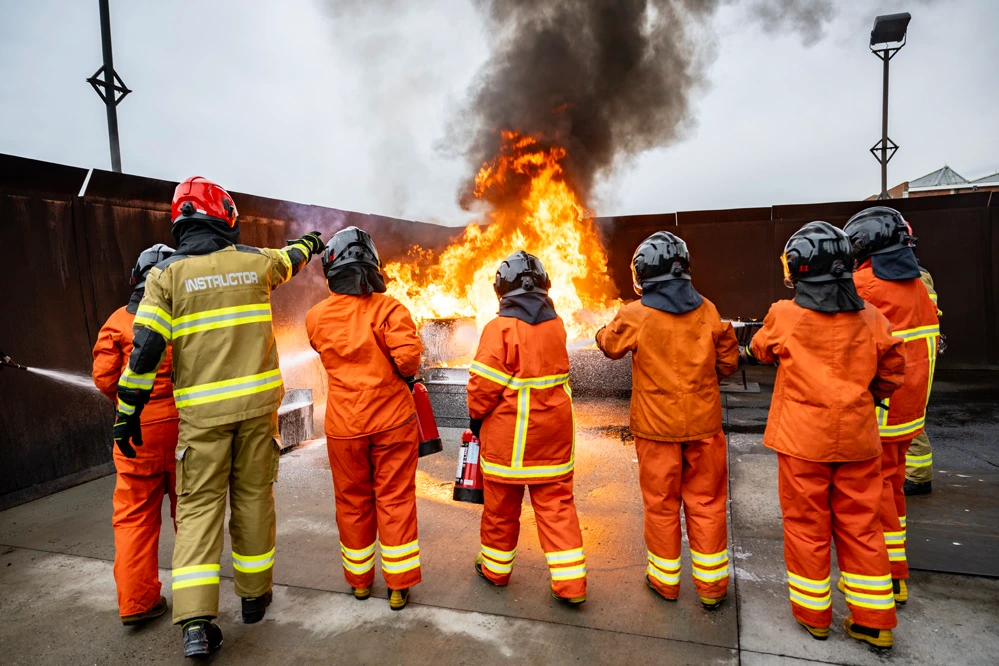
© Photos Firefighting and Basic Safety at sea, RelyOn Belgium
Personal Survival Techniques
Fire Prevention and Fire Fighting
Personal Safety and Social Responsibilities
First Aid — Combination Course First Aid-Helper
The First Aid certificate from the Red Cross is recognised as an official partial qualification within the Flemish Qualifications Framework at level 3. It is more than a basic course: the combination training First Aid-Helper includes both theory and practical exams and teaches how to work in real-life emergency scenarios.
In high-risk environments, basic knowledge of first aid is not a luxury. Many sites and events require attendees to have at least a valid first aid certificate.
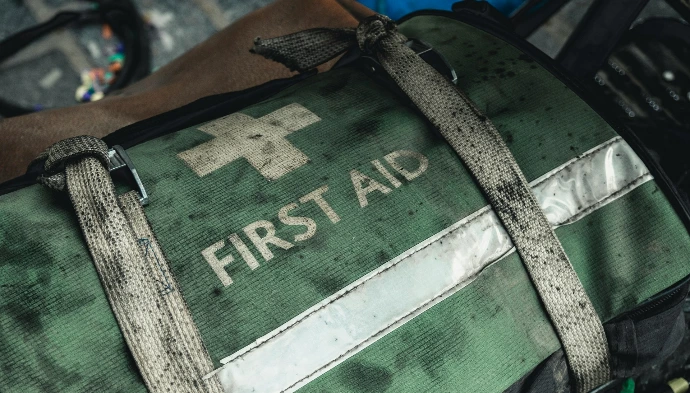
© Photos First Aid training, Red Cross Flanders
CPR (Cardiopulmonary Resuscitation) and Automated External Defibrillator (AED)
Wounds, fractures, burns and consciousness disorders
Recognising life-threatening situations
The hottest topic today in safety communication******
The rules are posted on the wall, but who ensures they are followed when no one is watching?
My brief advice?
- The tone at the top determines the safety culture in the workplace. A CEO or site manager who only communicates about safety after an incident inadvertently sends a clear signal: safety is a reaction, not a value.
- Those who want to change that must communicate structurally and credibly with their own voice.
- Write a consistent, preventive story.
Our latest content
See what’s new in our company!